
 ES
ES
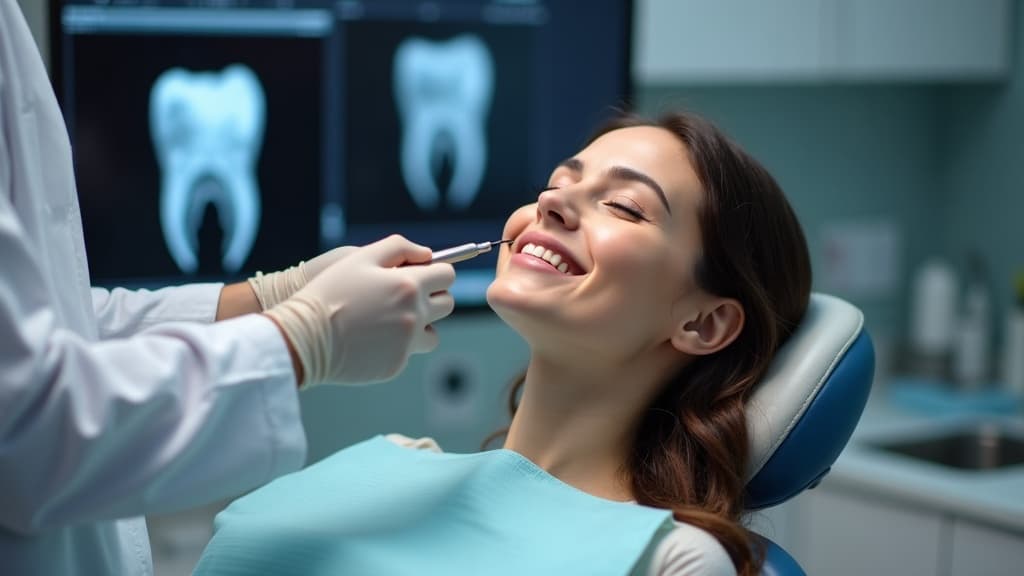
Fear of root canals is a thing of the past. Discover how modern rotary technology makes root canal treatment comfortable and pain-free in Cali.
Fear of Root Canals: A Myth of the Past
Root canal treatment (endodontics) is one of the most feared dental procedures — but also one of the most misunderstood. The image of the painful "nerve treatment" belongs to another era. With modern technology and highly effective local anesthesia, a root canal today is as comfortable as a conventional filling. At Dental Care Norte (CC Chipichape, Cali), most of our endodontic patients leave surprised by how well they tolerated it.
When Is a Root Canal Needed?
Root canal treatment is necessary when the dental pulp (the nerve and vascular tissue inside the tooth) becomes irreversibly infected or inflamed. The most common causes are:
- Deep cavity reaching the pulp
- Tooth fracture exposing the pulp
- Trauma (strong blow to the tooth)
- Repeated infection from untreated decay
Symptoms suggesting you need a root canal:
- Intense pain, spontaneous or when biting
- Extreme heat sensitivity that persists
- Swelling in the gum or cheek (abscess)
- Dark color change in the tooth
What Does the Procedure Look Like Today?
Ni-Ti Rotary Technology
Nickel-titanium (Ni-Ti) rotary instruments have revolutionized endodontics. They are flexible, precise, and efficient. They clean curved canals with great ease and significantly reduce procedure time compared to old manual techniques.
Electronic Apex Locator
This device electronically determines the exact length of root canals, preventing perforation or incomplete treatment. Combined with digital X-ray, it ensures precise obturation.
Rubber Dam Isolation
The tooth is isolated with a rubber dam during the procedure. This keeps the field clean, dry, and free of bacteria from saliva, improving asepsis and patient comfort.
Step by Step: What Happens at the Appointment?
1. Local anesthesia: We deeply anesthetize the area. We don't begin until we're sure you feel nothing
2. Access opening: We make a small opening in the tooth crown to reach the canals
3. Canal cleaning: With Ni-Ti files and irrigating solution (hypochlorite) we remove all infected pulp
4. Shaping: We give the appropriate shape to the canals for the subsequent sealing
5. Obturation: We seal the canals with gutta-percha and sealer cement, preventing bacterial re-entry
6. Restoration: We place a temporary or definitive restoration according to the agreed plan
Post-Root Canal Recovery
- The first 2–3 days may have slight sensitivity when biting — completely normal
- Ibuprofen or acetaminophen is sufficient for pain management if it appears
- Most patients work normally the following day
The Importance of Post-Endodontic Crown
A root-canal-treated tooth loses vitality and becomes more fragile. In most cases, especially molars and premolars, placing a ceramic crown is recommended to protect it long-term.
Book your root canal appointment at Dental Care Norte, Cali — we handle emergencies the same day.